American Institute of Architects

As the largest design organization in the world, AIA is working to transform the day-to-day practice of architecture to achieve a zero-carbon, resilient, healthy, just, equitable built environment, for everyone.

Click to Learn More About the AIA

Visit www.aia.org and Join Now!

Displaying 576 - 600 of 621 results.

FIRST PREV [501-525] [526-550] [551-575] [576-600] [601-621] NEXT LAST

  • ( ~ 1 hour ) 

    Incorporating bulletproof glass into any facility is a sizable investment; however, it is a small price to pay for the protection of human lives. This course illustrates how to maximize that investment by selecting and installing the appropriate system for the threat level and the functional needs of the client. Discussed are UL protection level ratings; types of bullet-resistant barrier systems and their components; planning, production, and installation of systems; security window film vs. bullet-resistant glass; and project security checklists.

  • ( ~ 1 hour ) 

    No discussion about a material’s sustainability is complete unless it addresses embodied carbon, the carbon dioxide (CO₂) emissions associated with the material over its cradle-to-grave life cycle. Changes made to spray polyurethane foam (SPF) insulation formulations address the impacts of embodied carbon. This course explores the evolution and environmental impacts of SPF blowing agents, the performance benefits of SPF, physical property testing and certifications, and SPF’s potential LEED® v4 contributions. Case studies make evident the performance value of SPF.

  • ( ~ 1 hour ) 

    Rooftop decks create valuable living and recreational space for building owners, residents, and clients. Accommodating restaurants, hotels, healthcare facilities, and everything from residential to government buildings, rooftop deck systems offer the design flexibility to create versatile, unique outdoor spaces over any structural surface. This course explores the features, surface materials, and design options for rooftop deck systems and provides an overview of recommended planning and installation guidelines.

  • ( ~ 1 hour ) 

    Concrete floors require protection. Choosing the right concrete floor coating system is essential to meeting the performance requirements of commercial, industrial, and residential environments. This course discusses the assessment and repair of a concrete floor and specifies how to select a high-performance coating system based on the conditions and requirements of a construction project.

  • ( ~ 1 hour ) 

    The variety of wheelchair lifts on the market can present a challenge to specifiers. Not only is there a wide range of design features, but also some lifts may not meet all ADA requirements for a given application. This course covers the features, codes, and regulatory requirements of vertical wheelchair lifts and the benefits of specifying a vertical wheelchair lift solution to both the user and the facility owner.

  • ( ~ 1 hour, 15 minutes ) 

    The hospitality industry thrives on positive customer experiences. These experiences are often shared on social media, and reviews of a restaurant or hotel now commonly include the acoustical aspects of the experiences. Hospitality venues must be constructed to the highest standards in order to achieve the necessary level of customer satisfaction; this includes providing a positive acoustic environment for a wide range of situations. In addition to reviewing the basics of sound, sound movement, and sound measurement, this course details the comprehensive range of applications available to the designer to block unwanted noises, control the acoustics in large venues, and provide complete privacy where it is needed while improving the aesthetic appeal of each space as a result.

  • ( ~ 1 hour ) 

    Although known for being a strong and versatile building material, there are a number of factors that affect the sustainability of concrete, and a variety of measures that can be taken to increase its durability and extend its service life, thus protecting the health, safety, and welfare of the users. This course discusses the environmental impact of concrete and some of the main causes of concrete deterioration, and examines how crystalline waterproofing technology can be employed to increase the durability and sustainability of concrete.

  • ( ~ 1 hour, 15 minutes ) 

    The Americans with Disabilities Act (ADA) applies to all state and local government agencies, commercial facilities, and public entities that have “places of public accommodation.” Presented in this course are the fundamentals of what accessibility means in terms of architectural door hardware specification. Topics include available hardware technology, the criteria for interior and perimeter access, and the codes and guidelines pertaining to the ADA requirements that affect door hardware selection.

  • ( ~ 1 hour, 15 minutes ) 

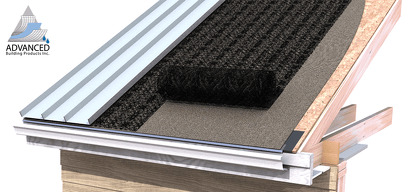
    Due to their durability, low operational cost, and sustainability, metal roofs are gaining popularity in both commercial and residential markets. Owner expectations for this product family have increased as well and now include heightened aesthetics and long-term performance. While metal roofing systems are certainly up to these challenges, when they fail, the results are costly. Consequently, it is imperative designers have full knowledge of metal roof design and detailing. This course covers the top ten problems metal roof designers face and describes how these problems can be prevented through proper design.

  • ( ~ 1 hour ) 

    Glass wall and door systems endow architectural concepts with transparent elegance. This course covers the benefits of interior glass wall and door systems and includes discussions on types of glass walls and operable systems; door types, rails, headers, hardware, and applications; glass types; and access control. It presents design and code considerations and specification of glass assemblies.

  • ( ~ 1 hour, 30 minutes ) 

    It’s easy to be overwhelmed by outdoor solar lighting specs and components, especially when every manufacturer presents its products differently. Lighting professionals can help clients put these manufacturers on an equal playing field. Providing an in-depth introduction to the technology and benefits of off-grid solar lighting, this course explores why clients choose commercial solar lighting, what components make up a solar lighting system, and the three steps lighting professionals can take to ensure their clients choose a reliable, efficient, and cost-effective solution that meets their unique expectations.

  • ( ~ 1 hour ) 

    Designing with green roofs affords design professionals opportunities to plan projects with exciting new elements, added value, and significant, tangible benefits, thereby enhancing the built environment with newly-created landscapes. This course examines green roof systems, including the types, benefits, components, and related standards. As well, it provides a discussion on how green roofs mitigate urban heat island effect and reduce stormwater runoff.

  • ( ~ 1 hour, 30 minutes ) 

    “Good” lighting is more than photometric performance: it is an art and a science that is truly greater than the sum of its parts. It must meet the visual needs of many and satisfy a myriad of individuals’ subjective perceptions. Architectural lighting design is a series of planned experiences involving people and spaces that we create by modulating and delivering light. This course discusses a conceptual framework for lighting design that specifiers can use to bring an architectural vision to life with the most powerful medium available to enrich the built environment and enhance the end-user experience: light!

  • ( ~ 1 hour ) 

    As some of the earliest building materials, masonry and concrete have been used for their durability and strength. However, masonry architecture, both historical and contemporary, has been left vulnerable to water—the single most damaging element to masonry in our environment. This course identifies common water-related problems for masonry and concrete, describes protective treatments that increase masonry durability, and explains the process for safely selecting and applying a protective treatment.

  • ( ~ 1 hour ) 

    Underslab moisture is something that designers need to take into consideration in both the design and construction phases of a building project. It can cause many problems for the building and the health of its occupants over the course of its life span; however, if properly addressed during design and construction, many of these issues can be mitigated. This course looks at the different types of moisture movement that exist below the slab, examines solutions for a variety of site conditions, and reviews best practices for managing moisture.

  • ( ~ 1 hour ) 

    Greenhouses are used in an array of applications from residential to commercial, institutional, or educational. This course describes the glazing options, accessories, environmental controls, and planning considerations that contribute to a successful greenhouse. Also presented are the configuration options and decorative details that make each greenhouse unique and ideally suited for its purpose.

  • ( ~ 1 hour ) 

    Water management is a complex and significant process affecting all levels of planning and building design and is tasked with solving a number of new and emerging issues. This course reviews current stormwater and wastewater management issues and current practices and then takes a look at a number of new and emerging issues that water management plans need to address.

  • ( ~ 1 hour ) 

    In this video series course, we cover common metal roofing installation considerations. The first video discusses typical metal roof penetrations and details for proper installation. The second video presents metal enhancement options and design and installation tips to prevent premature corrosion in marine environments. The final video explores the expansion and contraction of standing seam metal roofs and how points of fixity accommodate thermal movement.

  • ( ~ 1 hour ) 

    The reasons for and benefits of adopting STEP have become increasingly clear as both national and international communities continue in their efforts to transition from dirty fuel sources to renewable ones. This course reviews the various systems and strategies that enable STEP, such as smart grids and microgrids, and explores strategies that STEP enables, such as integrated design processes, efficient water management, and energy innovation.

  • ( ~ 1 hour ) 

    This course introduces architects to the fundamentals of acoustic design and its impact on occupant comfort, communication, and well-being. Participants will explore acoustic principles, including reverberation time, sound absorption, diffusion, and sound blocking, as well as key performance metrics such as noise reduction coefficient (NRC), sound transmission class (STC), and ceiling attenuation class (CAC). The course demonstrates how acoustic systems can be integrated into wall and ceiling designs to support functional, aesthetic, and sustainability goals, including those aligned with the LEED® v5 Building Design and Construction and Interior Design and Construction rating systems and the WELL Building Standard™ v2.

  • ( ~ 1 hour ) 

    Wood is a sustainable building material that must be properly detailed to reach its full performance and durability potential. This course explores the intricate relationship between wood and water, providing insights into moisture management strategies crucial for achieving durability in exterior wood installations. Discussions include the natural properties of wood, dynamics of wood movement, wood drying processes, rainscreen principles, and designing for wood movement in cladding and decking applications.

  • ( ~ 1 hour ) 

    Designing beautiful, sustainable, high-performance buildings can help your structures leave a lasting impression and positive impact. Insulating concrete forms (ICFs) accomplish that while providing innovative design possibilities for single or multistory projects. Learn about the features and advantages of building with ICFs designed as a cost-effective, energy-efficient solution that offers substantial benefits over traditional construction methods.

  • ( ~ 1 hour ) 

    Learners will receive information about cast stone and how it is made, testing requirements, applications, design recommendations, and how it differs from related materials. Learners will describe appropriate specification, design details of cast stone for architectural applications, and how to determine quality cast stone production.

  • ( ~ 2 hours, 30 minutes ) 

    The magnitude and negative impacts of solid waste have become increasingly apparent, especially in regard to plastics and their presence in the oceans. As a result, there have been many approaches to rethinking what constitutes waste and how it can be avoided or used/managed in a more sustainable manner. This course explores these emerging approaches to waste management planning and illustrates them with current examples of solid waste management plans and initiatives from various countries around the globe. In the first part of this course, we’ll dig into the impact of our growing waste problem and some methods for rethinking this waste. In the second, we’ll provide guidance for the design of a sustainable community waste management plan.

  • ( ~ 1 hour ) 

    Properly selected acoustical solutions are necessary to provide acoustical comfort and performance for a range of applications. This course reviews acoustic theory and design methodology to facilitate the design and specification process. A particular emphasis is placed on performance-oriented designs and strategies for different project types.

Displaying 576 - 600 of 621 results.

FIRST PREV [501-525] [526-550] [551-575] [576-600] [601-621] NEXT LAST