Displaying 4 course(s).
Scan this code with your mobile device camera to take this page on-the-go!

https://redirect.aecdaily.com/s20151/www.aecdaily.com/course/664137
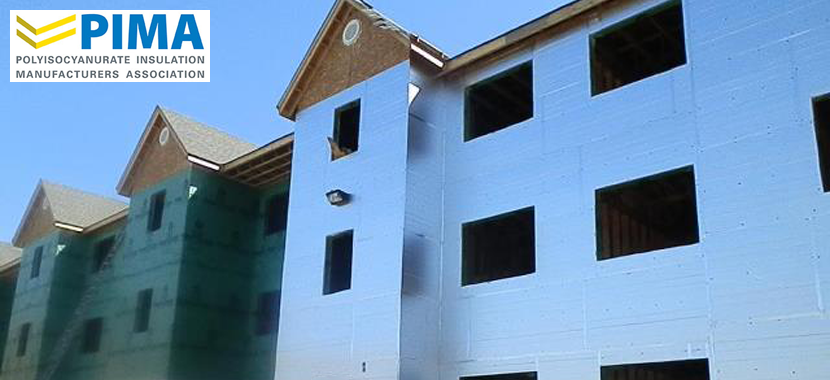
 Continuous insulation is part of building standards and state and energy codes due to its ability to reduce thermal bridging and the associated heat loss and energy consumption. This course looks at the use of polyisocyanurate as a continuous insulation in Type V and residential construction and its use as a multifunctional envelope component—air barrier, weather-resistive barrier, and vapor retarder—by reviewing code requirements for the building envelope.
Scan this code with your mobile device camera to take this page on-the-go!

https://redirect.aecdaily.com/s20151/www.aecdaily.com/course/926641
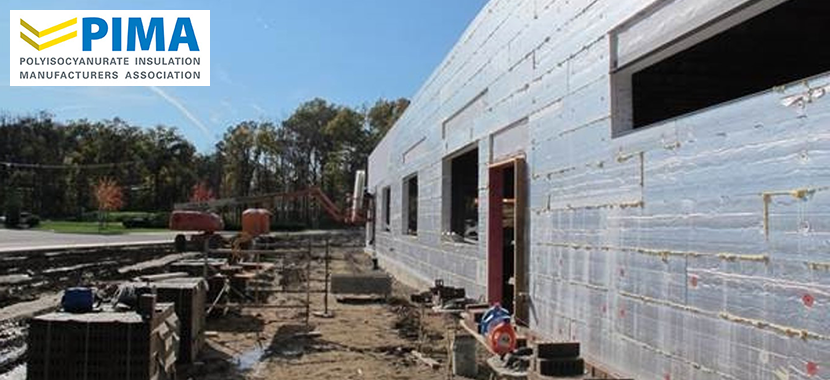
 The increase in building energy efficiency requirements has led to the use of exterior continuous insulation (CI) to improve the performance of the building envelope. This presentation reviews the benefits of polyiso continuous insulation and then examines in detail the NFPA 285 test standard and fire safety requirements of the 2021 International Building Code for the use of polyisocyanurate insulation in exterior walls of commercial buildings (Construction Types I–IV).
Scan this code with your mobile device camera to take this page on-the-go!

https://redirect.aecdaily.com/s20151/www.aecdaily.com/course/1002626
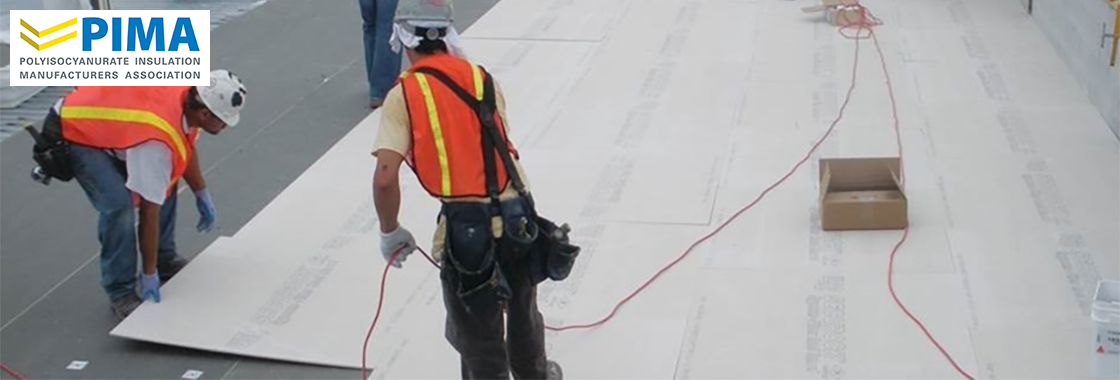
 Roofing is one of the most common renovation projects on commercial buildings. Upgrading a roof assembly to meet current building standards provides an opportunity to save energy and maintain the necessary fire and structural performance. This course reviews the code requirements for commercial reroofing and discusses how reroofing can improve a building’s energy efficiency.
Scan this code with your mobile device camera to take this page on-the-go!

https://redirect.aecdaily.com/s20151/www.aecdaily.com/course/961147
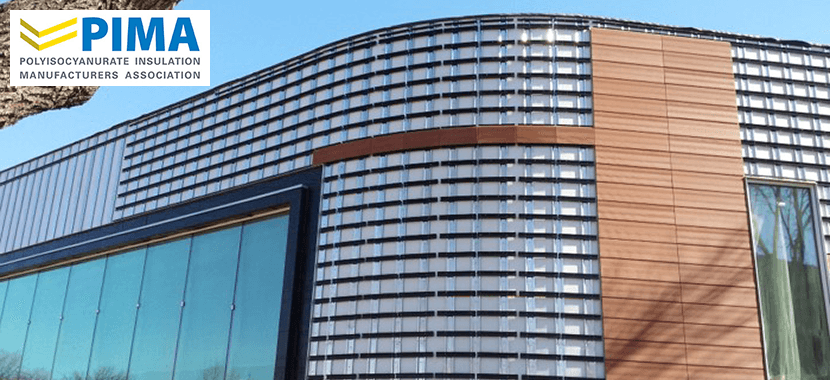
 There are a multitude of building envelope products used and a variety of methods taken for achieving energy and building code requirements. Understanding the different roles a product plays in the envelope simplifies its design. In this course, we take a look at the code requirements for buildings classified as IBC Types I–IV, paths to achieving compliance, and the number of roles polyisocyanurate insulation plays in meeting these requirements.
Displaying 4 course(s).