Displaying 5 course(s).
Scan this code with your mobile device camera to take this page on-the-go!

https://redirect.aecdaily.com/s9572/www.aecdaily.com/course/953062
 One of the more complicated issues today in building science is addressing moisture movement, since moisture can penetrate a building in several different ways and result in material degradation, air quality issues, and failure of the building enclosure. This course examines the ways moisture can enter a structure and discusses the role of different moisture control layers that, when correctly placed and installed, can prevent unwanted moisture infiltration.
Scan this code with your mobile device camera to take this page on-the-go!

https://redirect.aecdaily.com/s9572/www.aecdaily.com/course/962747
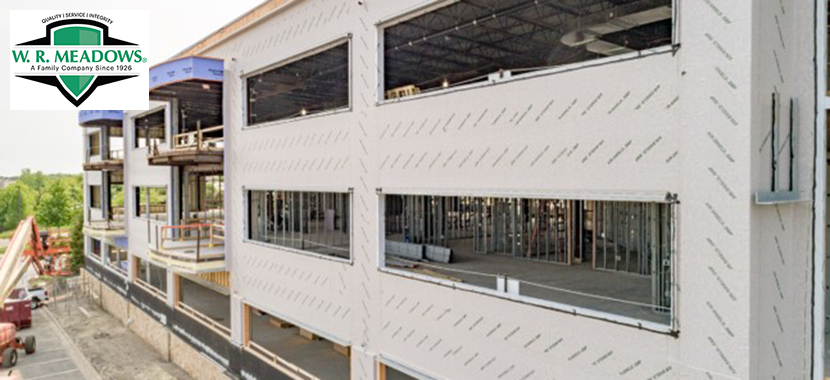
 Air barriers improve the health and comfort of building occupants, improve energy efficiency, and prevent premature degradation of materials, increasing the structure’s life cycle. A successful air and moisture barrier system means under-slab, below-grade, and above-grade systems must work together to provide a continuous barrier. This course looks at above-grade air barrier systems and their types and components. Continuity and compatibility, specification, and installation challenges are also considered.
Scan this code with your mobile device camera to take this page on-the-go!

https://redirect.aecdaily.com/s9572/www.aecdaily.com/course/1213034
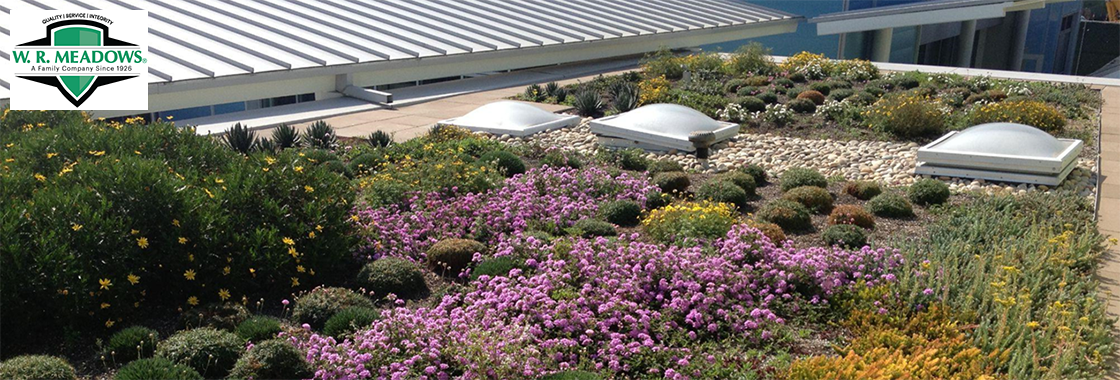
 Green or vegetative roofs have long been considered excellent for mitigating stormwater runoff and the heat island effect and reducing the energy load of building HVAC systems. However, their installations have also resulted in many additional benefits, such as increased tenant retention, improved human experience, and longer lifespan of the roof’s waterproofing membrane. This course provides an introduction to green roofs and describes the different types and components, including waterproofing membranes, drainage, and vegetation-free zones. It also examines how green roofs may help meet credit requirements in the LEED® v5 Building Design and Construction and SITES® v2 rating systems.
Scan this code with your mobile device camera to take this page on-the-go!

https://redirect.aecdaily.com/s9572/www.aecdaily.com/course/890325
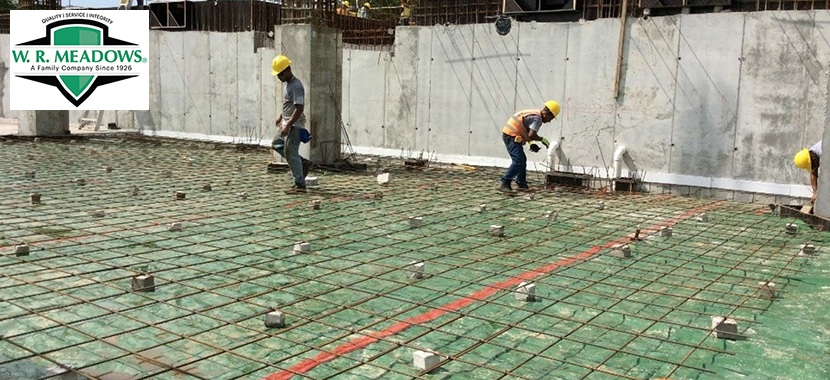
 Critical to concrete waterproofing are the products used in combination to create a system that ensures complete control of moisture migration. Presented here are effective concrete waterproofing technologies and how they improve the durability and lifespan of structures. Discussions include water penetration, system selection, membrane protection, and cementitious waterproofing.
Scan this code with your mobile device camera to take this page on-the-go!

https://redirect.aecdaily.com/s9572/www.aecdaily.com/course/969550
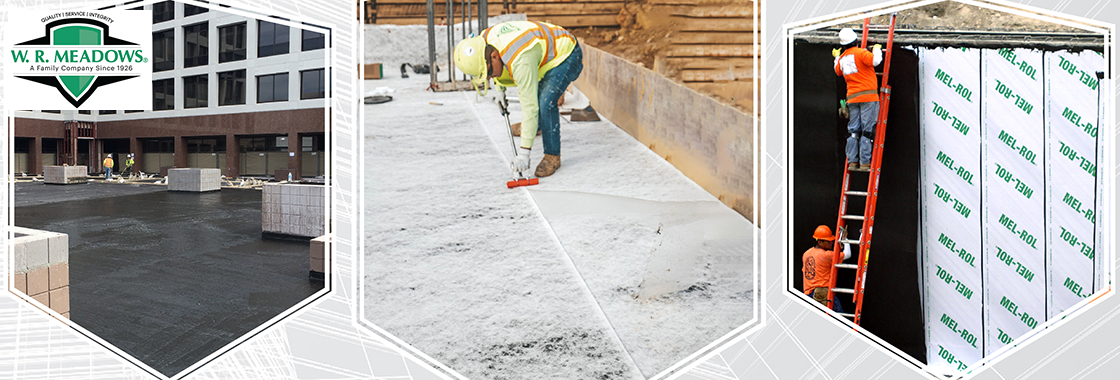
 Underslab moisture is something that designers need to take into consideration in both the design and construction phases of a building project. It can cause many problems for the building and the health of its occupants over the course of its life span; however, if properly addressed during design and construction, many of these issues can be mitigated. This course looks at the different types of moisture movement that exist below the slab, examines solutions for a variety of site conditions, and reviews best practices for managing moisture.
Displaying 5 course(s).