Displaying 4 course(s).
Scan this code with your mobile device camera to take this page on-the-go!

https://redirect.aecdaily.com/s7816/www.aecdaily.com/course/990200
 While all pavements require maintenance and eventually rehabilitation, the modular nature of interlocking concrete pavement (ICP) requires maintenance procedures distinctly different from those for monolithic pavements. This course provides information on surface cleaning, sealers, sealing procedures, and joint sand stabilization. Repair procedures for the subgrade, base, bedding, and paver layers are also provided. Snow management techniques are addressed, and the course concludes with an in-depth look at pavement management using ASTM procedures for establishing a pavement condition index.
Scan this code with your mobile device camera to take this page on-the-go!

https://redirect.aecdaily.com/s7816/www.aecdaily.com/course/991693
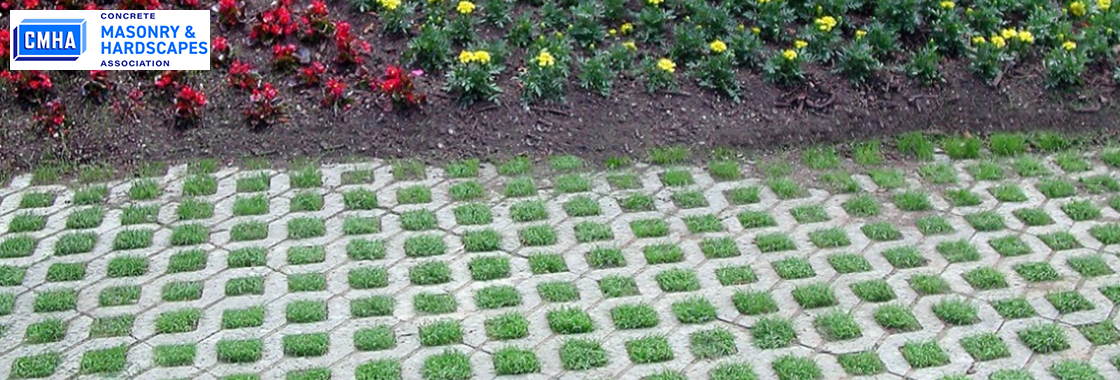
 As impervious land cover increases, so does the need for stormwater management. Concrete grid pavements provide increased infiltration rates, positively affecting runoff flow while decreasing erosion. This course introduces the range of grid pavement and erosion control applications and provides design and construction guidelines. Environmental performance is defined via conclusions from several research projects. Concrete grid pavements require minimal maintenance when properly designed and installed in appropriate applications. This course also includes an overview of how concrete grid paving units can be used to meet a number of LEED® v4.1 BD+C credit requirements.
Scan this code with your mobile device camera to take this page on-the-go!

https://redirect.aecdaily.com/s7816/www.aecdaily.com/course/1166505
 Segmental retaining walls (SRWs) are used in many landscaping applications, including small residential backyards and large commercial and transportation situations. This course provides an overview of segmental retaining wall systems and materials, including SRW terminology, soils, geosynthetics, general uses, and potential site issues. This program is best suited for those with little to no background in segmental retaining wall systems or materials or those desiring a refresher course in segmental retaining walls.
Scan this code with your mobile device camera to take this page on-the-go!

https://redirect.aecdaily.com/s7816/www.aecdaily.com/course/865795
 Stormwater management is a critical component in any municipality to retain and infiltrate increased runoff volumes and flow rates from developed land that creates increased impervious cover (roofs and pavements). The course discusses the hydrologic and structural design fundamentals of permeable interlocking concrete pavement (PICP) and why it is an excellent choice to help meet stormwater management goals. Discussions include the benefits of using PICP, components of PICP, design and construction considerations and how use of PICP can help earn LEED® credits.
Displaying 4 course(s).