Displaying 3 Live course(s).
Scan this code with your mobile device camera to take this page on-the-go!

https://redirect.aecdaily.com/s1214441/www.aecdaily.com/course/1235053
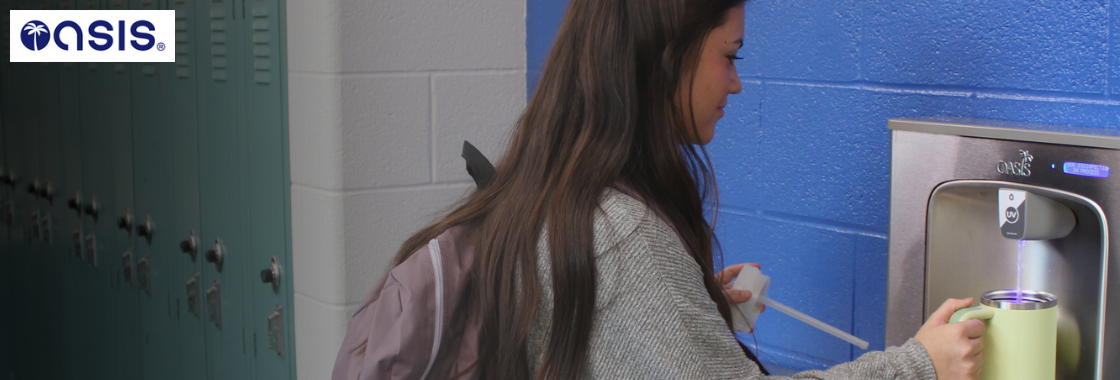
 Bottle fillers are a sustainable, cost-effective alternative to single-use plastic bottles, providing convenient hydration in schools, universities, hospitals, offices, and public spaces. Their rise has accelerated the shift away from traditional drinking fountain bubblers toward contactless electronic bottle fillers (EBFs). Retrofitting existing fountains offers an efficient way to modernize facilities without full replacement.
To ensure performance, filtration and regular maintenance are essential for water quality and safety. In high-use environments, vandal-resistant and outdoor-rated designs add durability and protection. This course explores key considerations for specifying drinking fountains and EBFs, including retrofit solutions, ADA compliance, maintenance, filtration, and protective features.
Bottle fillers are a sustainable, cost-effective alternative to single-use plastic bottles, providing convenient hydration in schools, universities, hospitals, offices, and public spaces. Their rise has accelerated the shift away from traditional drinking fountain bubblers toward contactless electronic bottle fillers (EBFs). Retrofitting existing fountains offers an efficient way to modernize facilities without full replacement.
To ensure performance, filtration and regular maintenance are essential for water quality and safety. In high-use environments, vandal-resistant and outdoor-rated designs add durability and protection. This course explores key considerations for specifying drinking fountains and EBFs, including retrofit solutions, ADA compliance, maintenance, filtration, and protective features.
There doesn't seem to be any scheduled upcoming sessions for this course. REQUEST one at a convenient time and location for you.
Scan this code with your mobile device camera to take this page on-the-go!

https://redirect.aecdaily.com/s1214441/www.aecdaily.com/course/1235052
 Contaminants like lead, bacteria, chemicals, plastics, and pharmaceuticals are increasingly found in building water systems as aging infrastructure continues to deteriorate. With millions of lead service lines still in use, many facilities face rising risks that impact public health and water quality at the point of consumption. This course explains how these issues develop inside buildings and why specifiers play a critical role in reducing exposure.
To meet these challenges, the drinking fountain and bottle filler industry is advancing filtration and UV‑based disinfection technologies that protect users from both chemical and microbial threats. Participants will learn how to select products that enhance safety through certified filtration, microbial‑control features, and thoughtful design choices, helping facilities stay ahead of emerging contaminants and regulatory expectations.
Contaminants like lead, bacteria, chemicals, plastics, and pharmaceuticals are increasingly found in building water systems as aging infrastructure continues to deteriorate. With millions of lead service lines still in use, many facilities face rising risks that impact public health and water quality at the point of consumption. This course explains how these issues develop inside buildings and why specifiers play a critical role in reducing exposure.
To meet these challenges, the drinking fountain and bottle filler industry is advancing filtration and UV‑based disinfection technologies that protect users from both chemical and microbial threats. Participants will learn how to select products that enhance safety through certified filtration, microbial‑control features, and thoughtful design choices, helping facilities stay ahead of emerging contaminants and regulatory expectations.
There doesn't seem to be any scheduled upcoming sessions for this course. REQUEST one at a convenient time and location for you.
Scan this code with your mobile device camera to take this page on-the-go!

https://redirect.aecdaily.com/s1214441/www.aecdaily.com/course/1235046
 Emerging contaminants such as lead, PFAS,microplastics, sediment, chlorine, and pharmaceuticals are increasingly found in buildingwater systems, placing schools, healthcare facilities,and public buildings at higher risk. Aging infrastructure, varying municipal treatment processes, and legacy plumbing materials alcontribute to inconsistent water quality at the point of use. This course explains why filtration is becoming essential for protecting vulnerable populations,maintaining compliance, and building trust in environments where clean drinking water is expected.
Participants will explore how modern filtration can reduce chemical, particulate, and microbial threats in drinking fountains and bottle fillers. The course covers fundamentals of filtration, evolving regulatory expectations, and best practices for specifying the right filter for the application. Attendees will learn how filtration improves taste, supports hydration, aligns with sustainability goals, and provides apractical, cost‑effective safeguard that enhances safety and performance in high‑traffic facilities.
Emerging contaminants such as lead, PFAS,microplastics, sediment, chlorine, and pharmaceuticals are increasingly found in buildingwater systems, placing schools, healthcare facilities,and public buildings at higher risk. Aging infrastructure, varying municipal treatment processes, and legacy plumbing materials alcontribute to inconsistent water quality at the point of use. This course explains why filtration is becoming essential for protecting vulnerable populations,maintaining compliance, and building trust in environments where clean drinking water is expected.
Participants will explore how modern filtration can reduce chemical, particulate, and microbial threats in drinking fountains and bottle fillers. The course covers fundamentals of filtration, evolving regulatory expectations, and best practices for specifying the right filter for the application. Attendees will learn how filtration improves taste, supports hydration, aligns with sustainability goals, and provides apractical, cost‑effective safeguard that enhances safety and performance in high‑traffic facilities.
There doesn't seem to be any scheduled upcoming sessions for this course. REQUEST one at a convenient time and location for you.
Displaying 3 Live course(s).